
NASA Accelerates Moon Base Plans: Nuclear Reactor to Power Lunar Colony by 2030
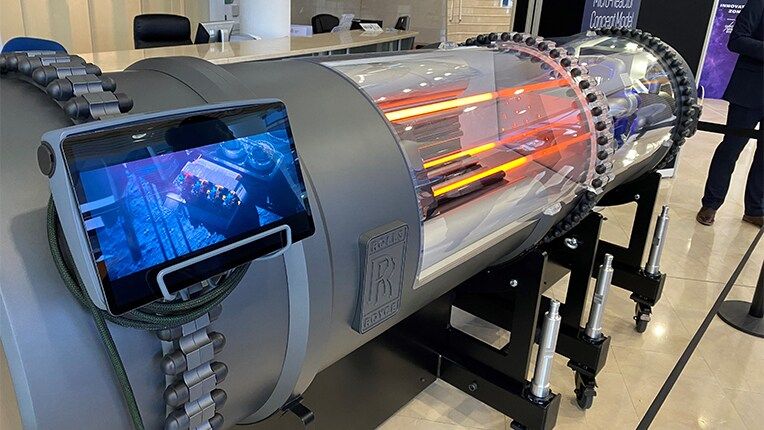
Transportation Secretary and interim NASA Administrator Sean Duffy announced an ambitious plan to construct a nuclear reactor on the moon, marking a major step in the U.S. space race against China. Speaking at a Department of Transportation press conference on Tuesday, Duffy emphasized the need for reliable energy to sustain a lunar base, stating that while solar power will be utilized in some areas, nuclear fission technology is crucial for long-term missions.
“We’re in a moon race with China, and to establish a base, we need power. Solar alone won’t suffice—this fission system is vital,” Duffy said, noting that NASA has already invested hundreds of millions in research. “Now, we’re moving from studies to action. It’s time to deploy this technology and make it a reality.”
The reactor is expected to produce 100 kilowatts—enough to power a 2,000-square-foot home for three and a half days. Duffy assured that the technology is manageable, clarifying that the reactor will not be launched in an active state.
This initiative appears to be Duffy’s first major policy move since being appointed by former President Trump in July after the withdrawal of initial nominee Jared Isaacman. The announcement follows NASA’s recent workforce reductions, with nearly 4,000 employees departing through voluntary resignation programs.
NASA has long explored nuclear power for space missions, awarding three $5 million contracts in 2022 for early-stage 40-kilowatt fission reactor designs. The accelerated timeline aligns with the administration’s push for human space exploration, with Duffy stressing the urgency of establishing lunar infrastructure to support future Mars missions.
“Energy is key—if we want to live on the moon and reach Mars, this technology is non-negotiable,” he said. “We’re behind, and we must focus all our resources on winning this race.”
A recently leaked memo reveals further details, including plans to appoint a “Fission Surface Power Program Executive” to oversee the project. NASA will soon solicit industry proposals, aiming to select up to two companies for development, with a target launch date in early 2030.
The document underscores the reactor’s role in supporting a future lunar economy, Mars colonization, and U.S. space security, urging rapid progress.
